
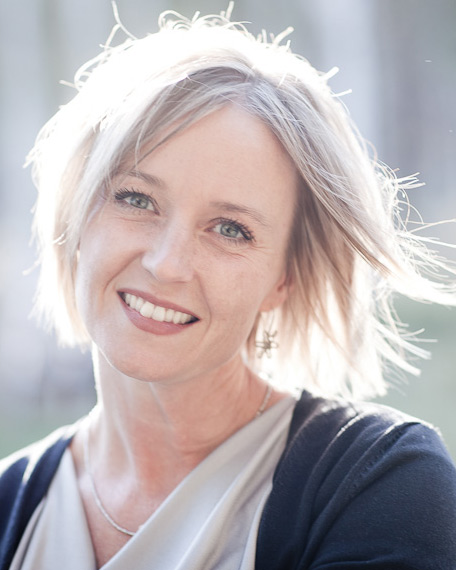


Hello, MY NAME IS
Becca Wilhite
Sweet rom-coms and historical romance.
FACEBOOK.
INSTAGRAM.
STAY CONNECTED
Join My Newsletter
Some things only come to those who know. Be in the know.
Sign up for news and special offers.
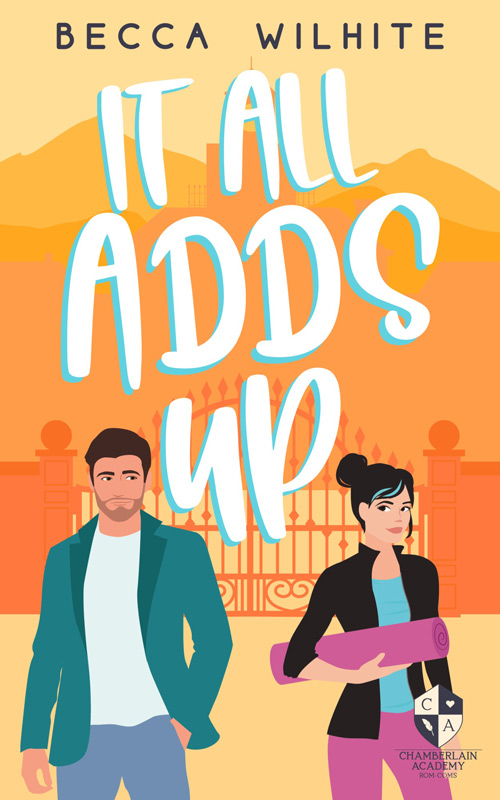
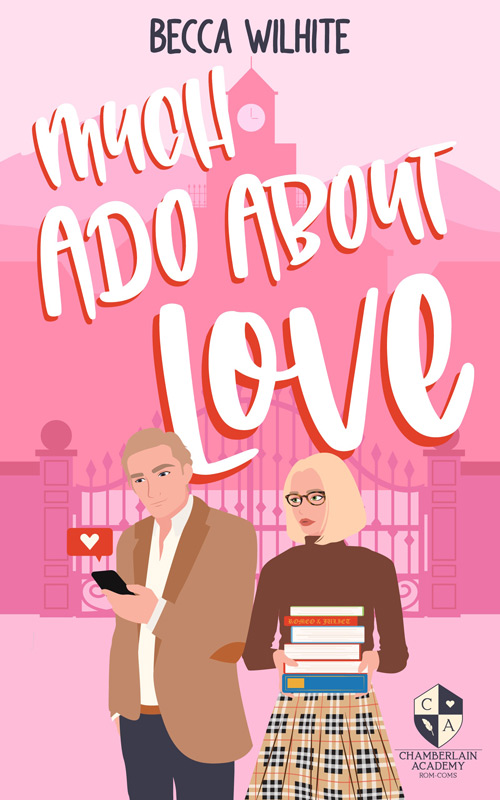
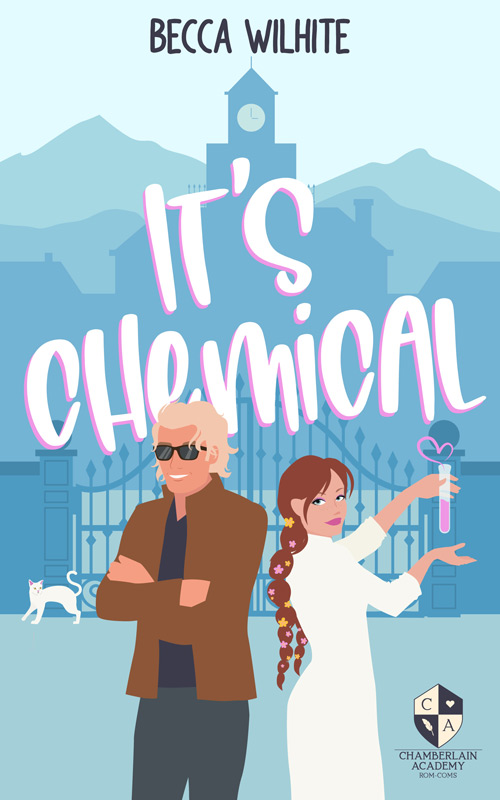
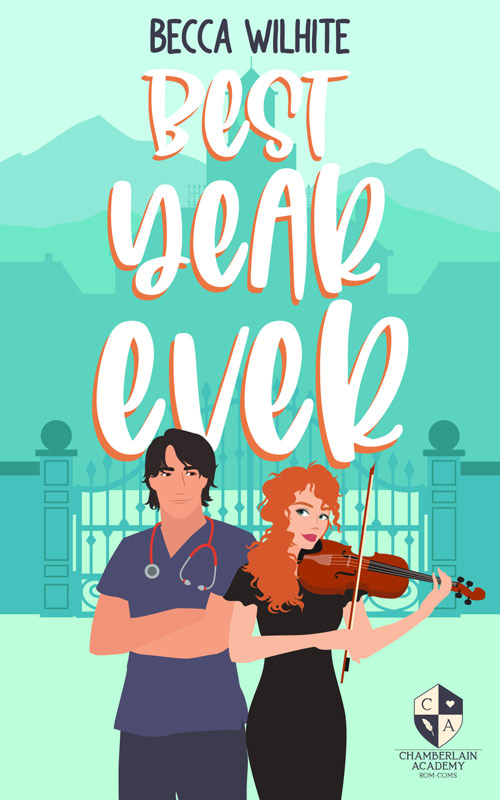
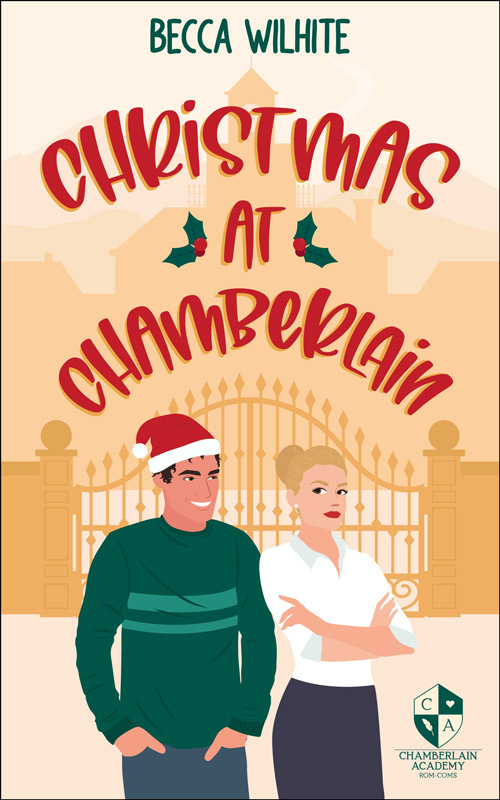
COMING SOON
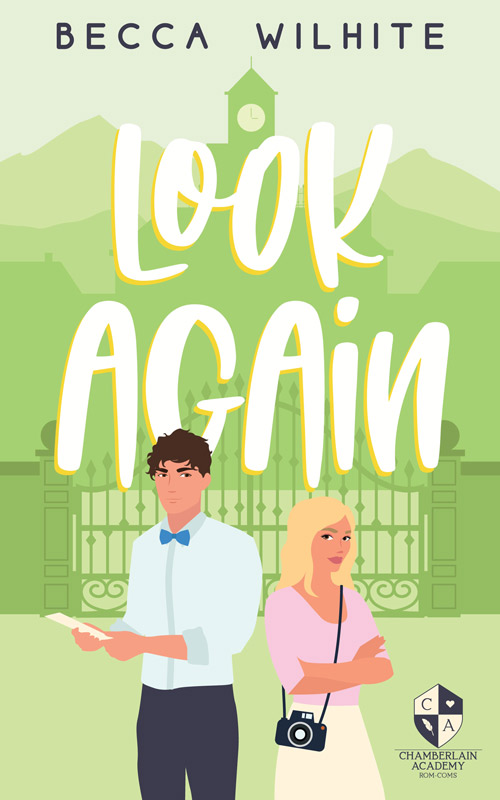
Coming November 2023
Book 6 in the Chamberlain Academy series.
* Grumpy / Sunshine
* Single Dad
* Snowed In
* Enemies to… Something Else ❤️
* Christmas Vibes


“Happiness is dabbling in lots of creative activities, afternoon naps, and cheese. All the cheese.”
Becca Wilhite loves hiking, Broadway shows, rainstorms, food, books, and movies. She lives in the mountains and adores the ocean and dreams of travel but loves staying home.
– Becca Wilhite, 2023 –
15
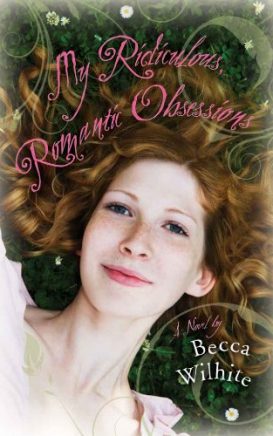
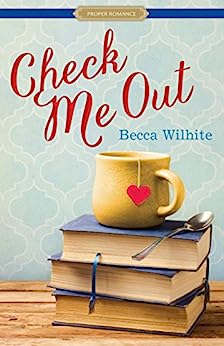
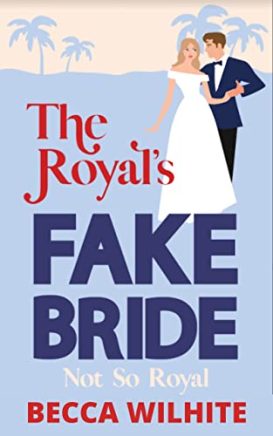
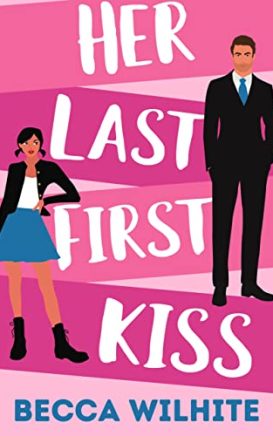
Books Have
Been Published so far
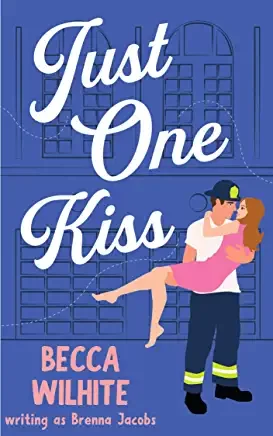

BOOK EXCERPT
“This is the weirdest experience ever. I can see myself doing all the things I would never do, the things I would avoid with all my strength. And I can hear my brain saying ‘Stop yourself now.’ But somehow here I sit, spooning mushroom soup into Hank Grantham’s mouth.”
– Becca Wilhite, Much Ado About Love –
BOOK HIGHLIGHT
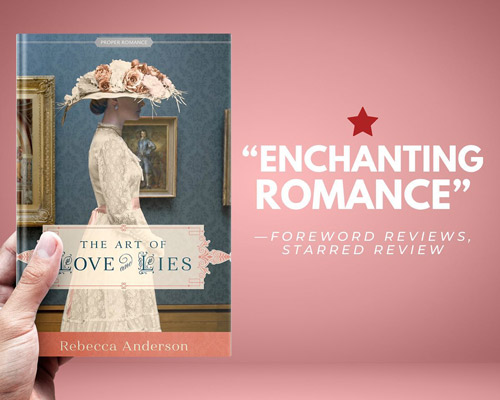
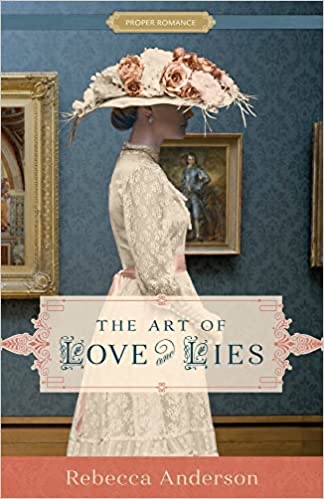
The Art of Love and Lies
From Shadow Mountain’s Proper Romance Collection
Rosanna Hawkins is one of Manchester’s finest artists, even though no one knows her name. She reproduces “parlor versions” of classic masterpieces with near-perfect precision, which her employer then sells to the emerging upper-middle class families.
When the largest art exhibition ever to be held in Manchester opens, Rosanna is excited to visit. She meets the handsome Inspector Martin Harrison, who is head of security, and shortly thereafter discover the theft of some of the paintings—and all evidence points to Rosanna. She must convince Inspector Harrison she is innocent and propose a plan to capture the real art thief.
Order Now




PRAISE
It’s 2:30 in the morning. 🥱
I may regret my choices tomorrow…
I’m still awake because I couldn’t put down this charming love story. I’m still smiling here thinking about the swoony kissing scenes and the fast paced love story.
This was my first Chamberlain Academy book and I’m so excited to go back and read the others.
With a handsome doctor, a funny hypochondriac musician and lovely side characters this book was hard to put down.
This is not a slow burn romance, it’s quick to the point and delightful.
I love when both characters know what they want in their relationship and don’t beat around the bush.
@beccawilhite well done! Thank you for a quick read that made me smile.
– 5-star review by @bodilybooknook –
COME SEE ME
Upcoming Events
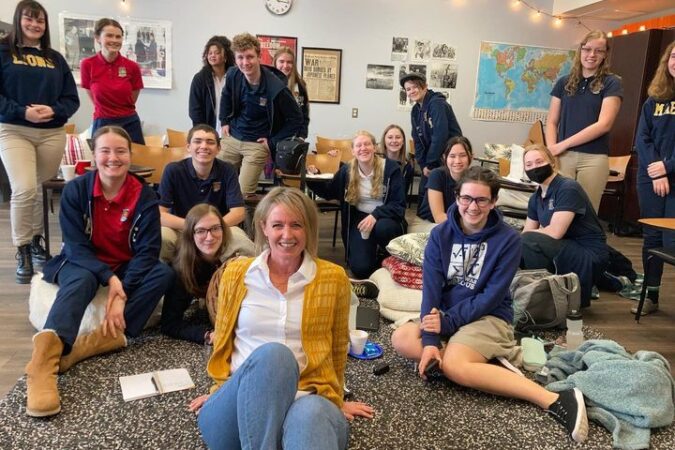
Authors, Book Signing
Utah Authors Day
Did you know there’s a Utah Author’s Day? Isn’t that good news for Utah authors?
Free
01:00 pm – 2 December, 2023
Springville Library
Read more…
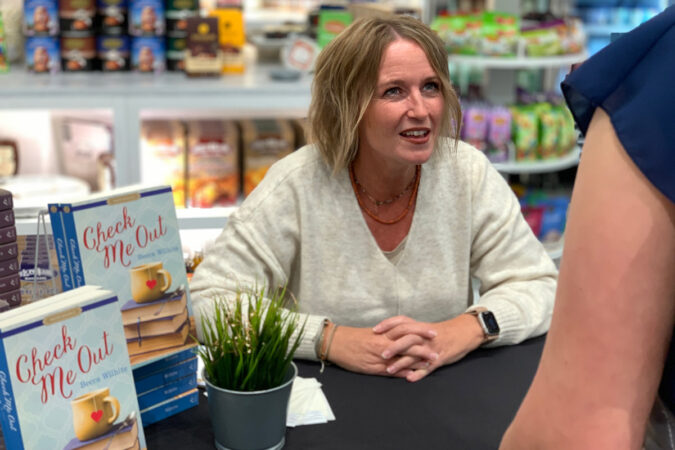
Authors, Book Signing
Proper Romance Sept Event
Come meet Becca Wilhite at the Orem Deseret Book.
Free
05:30 pm – 29 September, 2023
230 E University Pkwy, Orem, UT 84058
Read more…
BLOG
From My Blog
Authors, Becca
October 5, 2023
Remember Blogging?
Hello, MY NAME IS Becca Wilhite Sweet rom-coms and historical romance. FACEBOOK. INSTAGRAM. STAY CONNECTED Join My Newsletter Some…
more
Authors
June 20, 2023
This is a test post
Hello, MY NAME IS Becca Wilhite Sweet rom-coms and historical romance. FACEBOOK. INSTAGRAM. STAY CONNECTED Join My Newsletter Some…
more
Authors, Becca
December 30, 2022
Borrowed Light
Hello, MY NAME IS Becca Wilhite Sweet rom-coms and historical romance. FACEBOOK. INSTAGRAM. STAY CONNECTED Join My Newsletter Some…
more
Authors
November 17, 2022
Airports Are Not All Created Equal
Hello, MY NAME IS Becca Wilhite Sweet rom-coms and historical romance. FACEBOOK. INSTAGRAM. STAY CONNECTED Join My Newsletter Some…
more
Authors, Becca
August 3, 2022
Taller
Hello, MY NAME IS Becca Wilhite Sweet rom-coms and historical romance. FACEBOOK. INSTAGRAM. STAY CONNECTED Join My Newsletter Some…
more
Authors, Becca
June 14, 2022
Wording
Hello, MY NAME IS Becca Wilhite Sweet rom-coms and historical romance. FACEBOOK. INSTAGRAM. STAY CONNECTED Join My Newsletter Some…
more
VIEW BLOG